
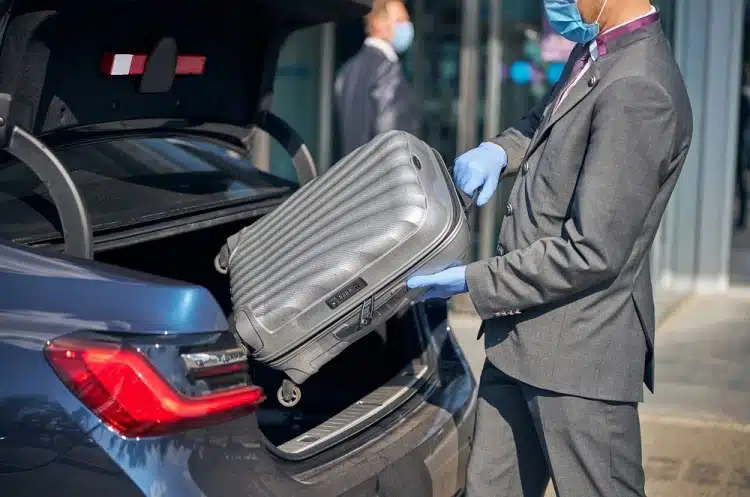
Dubai’s roads tell a story of ambition and growth. Every morning between 7:00 and 9:00 AM, and again from 4:00 to 7:00 PM, the city transforms into a choreographed dance of vehicles navigating toward offices, homes, and destinations across the emirate. For professional chauffeur services like Luxury Chauffeurs Dubai, these peak hours represent not obstacles but opportunities—chances to demonstrate expertise, showcase superior planning capabilities, and deliver the punctuality that distinguishes premium transportation from ordinary rides.
Planning transfers during Dubai’s busiest traffic periods requires far more than simply adding buffer time to journey estimates. It demands comprehensive understanding of traffic patterns, strategic route selection, advanced technology utilization, real-time adaptability, and above all, the experience that transforms knowledge into flawless execution. Professional chauffeurs don’t just react to peak hour challenges—they anticipate, prepare, and consistently outmaneuver the congestion that frustrates casual drivers.
Understanding Dubai’s Peak Hour Patterns
Success in peak hour transfer planning begins with intimate knowledge of when, where, and why congestion occurs. Dubai’s heaviest traffic typically occurs between 7:00 AM and 9:00 AM during the morning rush, and again from 4:00 PM to 7:00 PM in the evening, when professionals commute to and from work across the emirate.
However, experienced chauffeurs understand that these broad timeframes mask more nuanced patterns. The severity and location of congestion shift throughout these windows. Morning traffic builds gradually, starting around 6:30 AM in residential areas as school runs begin, intensifying around 7:15 AM when corporate employees begin their commutes, and reaching peak density between 7:45 and 8:30 AM when nearly everyone converges on business districts simultaneously.
Evening patterns follow different rhythms. The afternoon rush doesn’t build as predictably as the morning surge. Some businesses release employees at 4:00 PM, others at 5:00 PM, and still others operate on flexible schedules. This creates a more extended but slightly less intense evening peak that can stretch from 4:00 PM to nearly 8:00 PM on certain routes.
Geographic understanding proves equally critical. Sheikh Zayed Road, Dubai’s primary artery connecting numerous business and residential districts, experiences particularly intense congestion during peak hours. The routes connecting Downtown Dubai, Business Bay, DIFC, and Media City with residential areas in Dubai Marina, JBR, Arabian Ranches, and communities along Emirates Road all face predictable bottlenecks.
Professional chauffeurs also recognize that Dubai’s peak hours don’t follow identical patterns every day. Thursday evenings see heavier traffic as residents begin weekend activities earlier. Sunday mornings often experience slightly lighter traffic as the working week begins. During Ramadan, traffic patterns shift dramatically—morning congestion eases as working hours change, but evening traffic intensifies around iftar time.
Understanding these patterns transforms from academic knowledge into practical advantage. A chauffeur collecting a client from Dubai Marina at 7:45 AM knows that heading directly onto Sheikh Zayed Road toward Downtown will mean sitting in dense traffic. But that same chauffeur also knows the parallel coastal routes, the precise timing when congestion eases, and alternative arterials that experienced drivers leverage.
Advanced Pre-Journey Planning
Professional transfer planning during peak hours begins long before the vehicle starts moving. Superior chauffeur services invest substantial effort in preparation that casual observers never witness but clients consistently experience through punctual, smooth arrivals.
The planning process typically begins when a booking is confirmed. For advance reservations—particularly those scheduled during known peak periods—experienced operations teams analyze multiple factors. They examine the pickup and drop-off locations, identifying which routes those journeys might require. They note the scheduled time, determining exactly which phase of peak hour traffic the journey will encounter. They consider the journey purpose—a business meeting demands different buffer strategies than an airport transfer or leisure outing.
Historical journey data provides invaluable insights. Professional services maintain detailed records of previous journeys covering similar routes at similar times. These records reveal average journey durations, identify routes that consistently perform well, and flag stretches prone to unpredictable delays. When planning a 7:30 AM pickup from Palm Jumeirah to DIFC, experienced planners review dozens of comparable previous journeys, learning from each one.
Professional chauffeurs use advanced route planning tools and real-time traffic updates to ensure they take the most efficient routes, avoiding delays, but the sophistication of these tools goes beyond basic navigation apps. Premium chauffeur services utilize specialized fleet management software that integrates multiple data sources—live traffic conditions, historical pattern analysis, weather forecasts, and even scheduled events that might impact traffic flow.
Vehicle and chauffeur assignment represents another critical planning element. Not every vehicle or driver is equally suited for peak hour transfers. Experienced chauffeurs who’ve navigated Dubai’s roads for years possess invaluable knowledge about alternative routes, optimal timing for specific maneuvers, and the subtle signs that indicate when to change plans. During peak hours, these veterans get assigned to the most time-sensitive transfers.
Client communication forms an essential planning component. Professional services contact clients before peak hour journeys, confirming pickup times and setting realistic expectations. If significant delays are anticipated, they proactively discuss options—departing earlier to avoid the worst congestion, adjusting drop-off locations to minimize exposure to bottlenecks, or rescheduling if flexibility exists.
Some transfers benefit from split-timing strategies. For example, an airport transfer scheduled to depart during peak hours might be better served by positioning the vehicle near the pickup location during lighter traffic, then waiting in a convenient location rather than attempting to navigate through congested areas at the last minute.
Pre-journey planning also encompasses contingency preparation. Professional chauffeurs identify multiple route options before departing, understanding which alternatives exist if primary routes become impassable. They note locations of potential delays—construction zones, accident-prone intersections, school zones that complicate certain routes during morning hours—and prepare mental maps of detour options.
Strategic Route Selection

Route selection during peak hours represents an art informed by science. While navigation technology provides suggestions, experienced chauffeurs enhance these recommendations with human judgment, local knowledge, and situational awareness that algorithms alone cannot replicate.
The temptation exists to simply follow the “fastest route” indicated by navigation apps, but professional chauffeurs understand these suggestions often reflect current conditions without accounting for how rapidly situations change during peak hours. A route that appears optimal at 7:15 AM might become congested by 7:30 AM when the journey actually occurs.
Professional route selection balances multiple considerations. Journey time matters, certainly, but so does reliability. A route averaging twenty-five minutes with low variance might be preferable to one averaging twenty-two minutes but ranging from eighteen to thirty-five depending on unpredictable factors. For clients with inflexible appointments, consistency often trumps marginal speed advantages.
Comfort considerations influence route selection for luxury services. Some routes, though potentially faster, involve rough road surfaces, sharp turns, or frequent stopping and starting that diminish passenger comfort. Professional chauffeurs weigh these factors, particularly for VIP clients who might be working, making calls, or simply expecting a smooth, refined experience.
Strategic use of alternative routes defines professional peak hour navigation. While major arteries like Sheikh Zayed Road offer directness, they also concentrate traffic. Experienced chauffeurs know the parallel routes—the service roads, residential corridors, and secondary arterials that provide alternatives when primary routes clog.
Knowledge of shortcut connections proves invaluable. Dubai’s road network includes numerous connections that casual drivers never utilize—small bridges between communities, service roads accessing parallel routes, and carefully timed turns that avoid left-turn bottlenecks. Professional chauffeurs accumulate this knowledge through years of experience, constantly adding to their mental maps.
Timing-dependent route selection represents advanced technique. Certain routes work brilliantly at 7:00 AM but become impossible by 7:45 AM. Others remain viable throughout peak hours. Strategic chauffeurs calibrate route selection to precise departure timing, selecting different paths for identical journeys scheduled fifteen minutes apart.
Highway versus surface street decisions require careful judgment. During moderate congestion, highways offer speed advantages despite higher traffic volumes. During severe congestion, surface streets might provide steadier movement, even if average speeds are lower. Professional chauffeurs read traffic conditions expertly, making these judgment calls continuously.
The route selection process remains dynamic throughout journeys. Professional chauffeurs don’t simply set routes at departure and blindly follow them. They monitor traffic conditions ahead, receive updates about developing incidents, and stand ready to pivot to alternatives when circumstances warrant. This fluid approach separates professional services from rigid navigation-following.
Real-Time Monitoring and Adaptive Response
The hallmark of professional peak hour transfer management lies not just in planning but in real-time adaptation. Conditions during Dubai’s busiest periods change rapidly—an accident can transform a clear route into a parking lot within minutes, while the resolution of congestion can suddenly open previously impassable corridors.
Professional chauffeur services employ sophisticated real-time monitoring systems that provide continuous intelligence about traffic conditions across Dubai. These systems aggregate data from multiple sources—government traffic management systems, crowdsourced traffic apps, proprietary fleet tracking showing how other company vehicles are experiencing conditions, and even social media monitoring that can provide early warnings about incidents.
Operations centers in premium chauffeur services function as traffic nerve centers during peak hours. Dispatchers and traffic coordinators monitor multiple screens showing fleet positions, traffic heat maps, incident reports, and journey progress. When they identify developing issues that might impact scheduled transfers, they proactively communicate with chauffeurs, providing alternative route suggestions and updated intelligence.
Direct communication between operations teams and chauffeurs creates a powerful information network. A chauffeur encountering unexpected congestion immediately reports it, alerting colleagues who might be planning routes through that area. Conversely, dispatchers notify drivers about cleared incidents, opened lanes, or other improvements that create new routing opportunities.
Professional chauffeurs also leverage their own observation skills as real-time intelligence. They watch traffic patterns ahead, noting when brake lights are appearing further down the highway or when side mirrors reveal approaching emergency vehicles. This situational awareness provides early warnings that allow proactive route adjustments before GPS systems register changes.
The decision-making framework for route changes during journeys requires balancing multiple factors. Switching routes involves trade-offs—leaving a congested highway for surface streets means accepting lower maximum speeds even if avoiding standstill traffic. Professional chauffeurs evaluate these trade-offs constantly, considering remaining journey time, client schedule flexibility, and the probability that conditions will improve versus worsen.
Client communication during peak hour challenges exemplifies professional service. When delays become unavoidable, experienced chauffeurs proactively inform clients, providing realistic updated ETAs rather than optimistic estimates that breed frustration when missed. They explain situations clearly—”We’ve encountered an accident that’s blocking two lanes ahead; I’m taking an alternative route that will add approximately ten minutes to our journey”—giving clients information needed for their own planning.
Adaptive response extends beyond route changes to encompass micro-decisions throughout journeys. Professional chauffeurs constantly optimize—selecting optimal lanes, timing merges perfectly, positioning vehicles to take advantage of traffic signal timing, and executing maneuvers that shave seconds or minutes from journeys without compromising safety or comfort.
Technology Integration for Peak Hour Success
Modern professional chauffeur services leverage technology extensively to navigate peak hour challenges, but they do so strategically, using tools that enhance rather than replace human expertise and judgment.
Advanced GPS navigation systems form the technological foundation. However, professional services use enterprise-grade navigation platforms that offer capabilities beyond consumer apps. These systems provide multiple route comparisons simultaneously, display historical traffic pattern overlays showing where congestion typically develops, and integrate with fleet management platforms to provide coordinated routing across multiple vehicles.
Traffic prediction algorithms help professional services anticipate congestion before it fully develops. By analyzing historical patterns, current conditions, and contextual factors like weather or events, these systems forecast where bottlenecks will emerge thirty to sixty minutes ahead. This foresight enables proactive routing decisions that avoid problems rather than reacting to them.
Real-time traffic data integration ensures chauffeurs always work with current information. Professional navigation systems continuously update, incorporating feeds from traffic management authorities, incident reports, and crowdsourced data to maintain accurate understanding of current conditions.
Fleet management platforms coordinate vehicles across the service, preventing multiple chauffeurs from simultaneously attempting the same congested routes and enabling intelligent positioning of vehicles for upcoming bookings. If multiple clients need pickup from Business Bay at different times, the system optimizes which vehicles handle which bookings to minimize collective travel through congested areas.
Communication technology keeps chauffeurs, operations teams, and clients connected throughout journeys. Professional services utilize dedicated communication systems—often combining mobile apps, two-way radio networks, and GPS tracking—that enable real-time coordination. Operations centers can instantly alert all chauffeurs about significant traffic incidents, while chauffeurs can request routing assistance when encountering unexpected situations.
Client-facing technology enhances the peak hour experience by providing transparency and control. Premium services offer apps where clients track their vehicle’s approach in real-time, receive automatic updates about pickup timing, and communicate directly with chauffeurs when needed. This visibility reduces anxiety about punctuality, particularly during peak hours when traffic concerns naturally heighten.
Predictive analytics help services anticipate demand patterns and prepare accordingly. By analyzing booking histories, these systems identify when peak hour demand will surge—typically before major holidays, during conference seasons, or around significant events—enabling proactive capacity management.
However, professional services understand technology’s limitations during peak hours. Navigation systems can suggest routes that look optimal mathematically but prove problematic in practice—perhaps involving difficult turns across heavy traffic or routes through areas where road works have reduced capacity. Experienced chauffeurs override technology when their judgment indicates better alternatives.
The most effective peak hour operations blend technology and expertise seamlessly. Chauffeurs use navigation systems as information sources rather than blind instructions, combining real-time data with accumulated knowledge to make superior decisions. Operations centers use monitoring technology to support drivers rather than micromanage them, providing intelligence and assistance while trusting professional judgment.
Buffer Time Strategies and Client Expectation Management
One of the most critical aspects of professional peak hour transfer planning involves buffer time—the extra time built into schedules to account for unpredictability and ensure punctuality despite traffic challenges.
Professional services calculate buffers strategically rather than using arbitrary additions. The appropriate buffer depends on multiple factors: journey length, routes involved, specific timing within peak periods, importance of the appointment, and how predictable traffic typically is along planned routes.
For short journeys during peak hours—perhaps fifteen minutes under ideal conditions—professional services might add a fifty to seventy-five percent buffer, scheduling twenty-five to thirty minutes. This seemingly excessive addition reflects the disproportionate impact of delays on short journeys; a single missed traffic signal can represent a substantial percentage of total journey time.
Longer journeys often require smaller percentage buffers but larger absolute time additions. A journey requiring forty-five minutes during off-peak hours might be scheduled for seventy to eighty minutes during peak periods—a thirty-five to forty-five minute buffer that accounts for the cumulative effect of slowdowns across extended distance.
Timing within peak hours influences buffer calculations. Journeys scheduled near the beginning of peak periods (6:30-7:00 AM or 4:00-4:30 PM) often require smaller buffers than those scheduled during peak congestion (7:30-8:30 AM or 5:00-6:00 PM). Professional services adjust their buffer recommendations accordingly.
Critical appointments demand conservative buffers. When clients face inflexible commitments—flight departures, important business meetings, or time-sensitive events—professional services recommend generous buffers that virtually guarantee punctuality barring truly exceptional circumstances. The cost of missing these commitments far exceeds any inconvenience from slightly early arrivals.
Flexible journeys allow more aggressive planning. When clients have adaptable schedules—leisure outings, flexible meetings, or general transportation without hard deadlines—services can operate with smaller buffers, optimizing efficiency while maintaining reasonable reliability.
Client expectation management represents an equally important aspect of professional peak hour service. Experienced chauffeur companies educate clients about Dubai’s traffic realities, helping them understand why certain departure times are recommended and what buffer times reflect.
This education often begins during booking. When clients request peak hour transfers, professional services discuss timing openly: “Your meeting is in DIFC at 8:30 AM. Traveling from your location in Dubai Marina during peak hours typically requires forty to fifty minutes. We recommend pickup at 7:30 AM to ensure comfortable arrival with buffer for any delays.”
Some clients initially resist recommended timing, believing shorter journeys should be possible. Professional services handle these situations with data-driven explanations: “Under ideal conditions, that journey takes twenty-five minutes. However, at 8:00 AM on weekdays, we experience an average of forty-five minutes, with some journeys reaching fifty-five minutes. We want to ensure you arrive relaxed and on time.”
Setting realistic expectations prevents disappointment and builds trust. When services consistently deliver on promised timing—even during challenging peak hours—clients develop confidence that allows them to rely on these services for their most important transportation needs.
Communication during journeys maintains appropriate expectations. If traffic proves lighter than anticipated and early arrival seems likely, professional chauffeurs inform clients: “Traffic is moving well today. We’re tracking to arrive about ten minutes early. Would you like me to maintain current pace, or would you prefer I adjust timing?” This consultative approach respects client preferences while demonstrating the service’s attention to detail.
Conversely, when unexpected delays occur despite proper planning, immediate communication preserves trust: “We’ve encountered an incident ahead that wasn’t present when we departed. I’m taking an alternative route, but we may arrive five to seven minutes later than initially estimated. I’ll keep you updated as we progress.”
Handling Peak Hour Contingencies
Despite meticulous planning, peak hour transfers occasionally encounter circumstances that demand contingency responses. Professional chauffeur services distinguish themselves through how expertly they handle these challenging situations.
Accident and incident response represents the most common contingency. When accidents block planned routes, professional chauffeurs must quickly assess alternative options. Their experience becomes invaluable—knowing which nearby routes offer viable alternatives, understanding which apparent shortcuts actually lead to worse congestion, and recognizing when patience (waiting for incident clearance) beats detours.
Operations centers support chauffeurs during incident responses by monitoring traffic cameras, coordinating information from multiple drivers in affected areas, and providing routing suggestions based on comprehensive traffic views that individual chauffeurs cannot access while driving.
Breakdown or vehicle issues during peak hours require particularly rapid response. Professional services maintain relationships with roadside assistance providers who can reach stranded vehicles quickly. They also position backup vehicles strategically, enabling replacement vehicle dispatch when necessary. For high-priority transfers, operations teams might proactively send a backup vehicle when breakdowns occur, ensuring clients still reach destinations on time.
Weather contingencies, while less frequent in Dubai, occasionally impact peak hour operations. Rain can dramatically slow traffic as drivers adjust to wet conditions. Fog sometimes reduces visibility, particularly along certain routes. Sandstorms, though rare, can virtually halt traffic. Professional services monitor weather forecasts and adjust planning accordingly, recommending earlier departures when adverse weather coincides with peak hours.
Client schedule changes during journeys present another contingency. Professional chauffeurs excel at adapting when clients’ plans shift—perhaps a meeting finishes early and the client wants to depart immediately, or a delayed call means the pickup time needs adjustment. Their knowledge of current traffic conditions enables instant recalculation of optimal departure timing.
Multi-stop journey complications often arise during peak hours. When clients need to visit multiple locations and traffic is unpredictable, maintaining schedules becomes challenging. Professional chauffeurs manage these situations by continuously optimizing the sequence of stops, suggesting when certain stops might be better postponed, and keeping clients informed about realistic timing for each leg.
The worst-case scenario—complete traffic gridlock that makes punctual arrival impossible—requires transparent communication and problem-solving. Professional chauffeurs immediately inform clients about the situation, provide honest updated ETAs, and offer solutions: “I can see we’re not going to make your 9:00 AM meeting. We’re currently showing arrival at 9:15 to 9:20. Would you like me to find a safe place for you to exit the vehicle and take the Metro? Or shall we continue and I’ll get you there as quickly as safely possible?”
This consultative approach during crises demonstrates professionalism. Rather than making excuses or providing false optimism, experienced chauffeurs present the situation honestly and empower clients to make informed decisions.
Continuous Learning and Route Intelligence Development
Professional peak hour transfer planning improves continuously through systematic learning from every journey. Superior chauffeur services don’t just react to conditions—they study them, extracting insights that enhance future performance.
Journey data collection forms the foundation of continuous improvement. Professional services record detailed information about every transfer: actual versus estimated duration, routes taken, delays encountered, alternative routes used, and any notable incidents. This data accumulates into a comprehensive knowledge base.
Pattern analysis reveals insights invisible in individual journeys. By analyzing hundreds of transfers along similar routes at similar times, services identify reliable patterns: This intersection consistently experiences five-minute delays between 7:40 and 8:10 AM. That highway entrance ramp routinely backs up on Wednesday mornings. This alternative route works well until 7:20 AM but becomes slower than the highway after that time.
Seasonal variations become apparent through longitudinal data analysis. Traffic patterns shift subtly across the year—lighter during summer when some expatriate families travel, heavier during school terms, different during Ramadan. Professional services incorporate this seasonal intelligence into their planning.
Driver debriefing sessions extract qualitative insights that complement quantitative data. Experienced chauffeurs notice details that don’t show in metrics—a new traffic signal that’s affecting flow patterns, a construction project that’s likely to impact upcoming routes, or an alternative approach they discovered that works better than established options.
The sharing of knowledge across driver teams multiplies individual learning. When one chauffeur discovers an effective alternative route or timing strategy, professional services ensure that knowledge disseminates to colleagues. Regular driver meetings, digital communication platforms, and shared navigation systems all facilitate this knowledge transfer.
Technology training keeps chauffeurs current with navigation system capabilities. As these systems add features—perhaps improved traffic prediction, better alternative route suggestions, or enhanced incident alerting—professional services ensure drivers understand and utilize new capabilities.
Client feedback provides external perspective on service quality during peak hours. When clients comment on punctuality, smoothness of journeys, or chauffeur communication during traffic delays, services incorporate this feedback into training and planning refinement.
Competitive intelligence helps services understand industry best practices. Professional companies monitor how competitors handle peak hour challenges, learn from successful innovations, and ensure their own approaches remain at industry forefront.
The most progressive services conduct periodic route audits, deliberately testing alternative approaches to established routes. Perhaps a new road has opened, or traffic patterns have shifted, making previously suboptimal routes now competitive. Regular testing ensures services don’t become complacent with outdated routing wisdom.
The Human Element: Experience and Judgment
Technology and data provide powerful tools for peak hour transfer planning, but ultimately, the human element—experienced chauffeurs applying expertise and judgment—remains irreplaceable in delivering superior service.
Situational reading represents a uniquely human capability. Experienced chauffeurs detect subtle indicators that something is developing ahead—perhaps traffic that’s moving but feels different, patterns in how vehicles are spacing, or behaviors suggesting drivers ahead have encountered something unusual. This intuition, developed through thousands of hours behind the wheel, enables proactive responses before GPS systems register problems.
Predictive thinking allows experienced chauffeurs to anticipate likely developments. When they see emergency vehicles heading toward their planned route, they begin considering alternatives before the incident impacts traffic. When they notice the time approaching when school dismissals typically cause congestion in certain areas, they factor this into routing decisions.
Client reading skills enable chauffeurs to adapt service to individual preferences and needs. Some clients appreciate detailed explanations about why routes were chosen or what delays are being encountered. Others prefer minimal communication unless essential. Some remain flexible about timing; others stress about punctuality. Experienced chauffeurs read these preferences and calibrate their approach accordingly.
Stress management becomes crucial during challenging peak hour transfers. When traffic is unpredictable and schedules are tight, maintaining composure ensures optimal decision-making. Professional chauffeurs remain calm under pressure, projecting confidence that reassures clients even during stressful situations.
Decision-making under uncertainty represents perhaps the most valuable human contribution. Traffic situations during peak hours often present imperfect information—should we stay on this congested highway hoping it clears, or take an exit to alternatives that might prove equally slow? Technology can inform these decisions, but human judgment makes them, weighing probabilities, considering specific client circumstances, and drawing on experience from similar past situations.
Communication skills transform adequate service into exceptional experiences. Explaining situations clearly, providing realistic assessments, offering solutions rather than just problems, and doing all this with appropriate tone and sensitivity—these human elements create the relationship dimension that distinguishes luxury chauffeur services from mere transportation.
Physical driving skill matters enormously during peak hours. Maneuvering through dense traffic, executing smooth merges, selecting optimal lanes, and maintaining passenger comfort despite frequent stopping and starting all require practiced expertise. Professional chauffeurs make these skilled actions appear effortless, but they represent years of refinement.
Professional ethics guide behavior during challenging situations. When facing the choice between aggressive driving that might save a few minutes but risks passenger comfort and safety versus patient, smooth driving that maintains standards, professional chauffeurs always prioritize appropriateness over expediency.
Conclusion: Mastery in Motion
Professional peak hour transfer planning represents the convergence of knowledge, preparation, technology, adaptability, and human expertise. When executed excellently, it appears effortless—clients simply arrive punctually, comfortably, and reliably, regardless of traffic conditions that frustrate others.
For Luxury Chauffeurs Dubai, mastering peak hour operations isn’t optional—it’s essential. Dubai’s business culture demands punctuality. The city’s traffic realities require expertise. Clients choosing premium chauffeur services expect both to be navigated seamlessly.
The professionals who excel at peak hour transfers don’t possess magic powers to make traffic disappear. Instead, they combine comprehensive planning, strategic routing, real-time adaptation, appropriate technology utilization, intelligent buffer management, effective contingency handling, continuous learning, and refined human judgment to consistently deliver the punctuality and comfort that justify premium service positioning.
Traffic typically becomes lighter between 10:00 AM and 3:00 PM, making this period more straightforward for transfers. But true professional excellence manifests during the challenging hours—the morning and evening peaks when demand is highest, congestion is worst, and margins for error are smallest. These are the moments when planning, expertise, and commitment to service excellence transform from abstract principles into tangible value.
For clients relying on professional chauffeur services during Dubai’s busiest periods, this expertise translates into peace of mind. They can schedule important meetings during peak hours knowing their transportation won’t fail them. They can book airport transfers without anxiety about missing flights. They can focus on their priorities while transportation professionals handle the complexity of navigating Dubai’s peak hour traffic.
The next time you see a luxury chauffeur-driven vehicle moving smoothly through Dubai’s peak hour traffic, arriving precisely on schedule while others sit frustrated in congestion, remember: what appears effortless represents sophisticated planning, accumulated expertise, advanced technology, real-time adaptation, and professional commitment to excellence. That’s not luck—that’s mastery.